The auto market in Nigeria is currently one of the best in sub-Saharan Africa. Nigeria’s robust economy and market make it appealing to the world’s top car manufacturing companies. Although a country’s excessive reliance on imported vehicles poses a threat to local manufacturers as well as the economy at large, certain steps have been taken by the federal government to protect the economy, create jobs, and conserve our already depleted foreign exchange reserves.
The importation of vehicles has been discouraged by the federal government through its National automotive policy and this policy has encouraged some multinational car manufacturers to set up car assembly plants in Nigeria. The Nigerian auto market is too big to be ignored; in fact, it’s the gateway to the sub-Saharan Africa auto market. Premium Car brands like Porsche, Roll Royce, Land Rover, already have their showrooms in Nigeria and this speak volumes about the giant strides Nigeria has made in her quest to diversify her economy.The 5 newest cars in the Nigeria Auto market include:
1. Rolls Royce Phantom (2015)
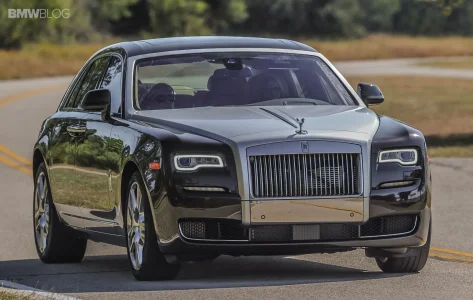
All Rolls Royce products are high-end, in fact; only the affluent can afford a piece of their high-tech mobile machines. Just like the previous editions, the Phantom 2015 is powered by an enormous 12 cylinder engine. This powerful engine displaces 6.7 liters and produces 531-pound feet of torque at 3500 rpm and 453 horsepower at 5350 rpm. Despite its massive 5800-pound curb weight, the rear drive of the Phantom 2015 enables it accelerate from zero to 60 mph in 6 seconds. It comes with an 8-speed automatic transmission which also allows for fast shifting of gears.
Average Price: N97,692,650
2. Land Rover Range Rover Sports (2015)
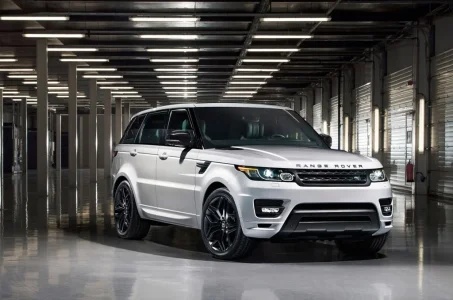
Land Rover has produced awesome vehicles over the years and they have a knack for high-end sport utility vehicles. Their latest flagship, the Range Rover sport, is a beauty to behold. Wait a minute; don’t be fooled by that posh, sporty look that most of their vehicles characterize. They are full-fledged speed machines because they feature standard super-supercharged V8 engines that pump out 550 horsepower. This Mini size SUV’s super-charged engine comes in any three variants. The SE and HSE come with a 3.0-liter V6 engine that is rated at 332 pound-feet of torque and 340 horsepower. The Supercharged and Autobiography features a 5.0-liter V8 engine that pumps out 461 lb-ft of torque and 510 horsepower, and the SVR comes with a fine tuned V8 engine that dishes out 502 lb-ft of torque and 510 horsepower. The Range Rover Sport SUVs are extremely powerful and their super-charged engines enable them to accelerate from zero to 60 mph in 4.6 seconds.
Average Price: N30,250,000
3. Jaguar XF (2015)
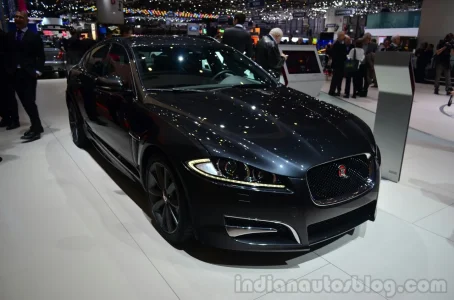
TheJaguar brand of mid-size Luxury Sedans is simply known for class, style, and elegance. The Jaguar XF stands miles apart from every other competing brands in its class because so much emphasis was placed on its internal and external styling. The XF is powered by a 2.0-liter turbocharged four-cylinder entry level engine that produces 251 lb-ft of torque and 251 horsepower, boosting the XF Speed Significantly. There is also another XF option that features a super-charged 6-cylinder 3.0-liter engine that produces 340 horsepower. The Third option is for lovers of high-performance vehicles and it features a 5.0-liter supercharged V8 engine that produces 424 lb of twist and 470 horsepower, giving the car the ability to accelerate from zero-to-60 mph in 6secs.
Average Price: N11,257,400
4. Ford Escape (2015)
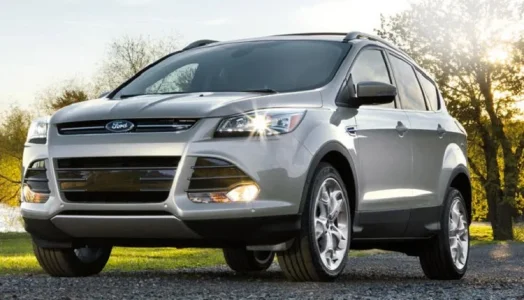
Ford is a well-known brand when it comes to the production of SUVs. With its athletic handling, powerful turbocharged engine options and an upscale cabin, the 2015 Ford Escape is one of the very best SUVs in Nigeria auto market. Most auto specialists agree that the 2015 Ford Escape, with its four-cylinder engine, has sufficient power to power its way through most obstacles. If you decide to go with either of its two turbo-charged four-cylinder options, you are guaranteed good acceleration. This car comes with a 6-speed automatic transmission and the bigger of the two options makes climbing hills and obstacles so easy. You also have the option of choosing between the 2.0-litre four-cylinder engines or 1.6-litre four-cylinder engines. This car also comes with a sitting arrangement that caters for 5 persons.
Average Price N5,000,000 – N7,000,000
5. B MW 3 Series Sedan (2015)
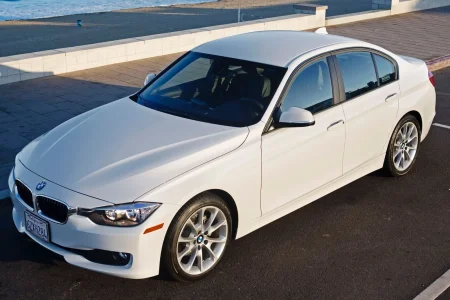
The BMW 3 series comes in six engine variants, some of which include the 355i turbo-charged 6-cylinder engine, 320i turbo-charged 4-cylinder engine, etc. giving customers a variety options to choose from. What makes the BMW 3 series amazing is that it comes in a perfect blend of potent acceleration, exceptional handling, and high-end comfort. The standard 8-speed transmission included in the BMW 3 series makes it stand out because it enables the driver make quick gear changes at will. In addition, the BMW 3 series’ superb handling and powerful braking features impressed a lot of critics. Some of its features includes: Auto start-up function, Aerodynamics, brake energy regeneration, Eco Pro mode, BMW headway display, BMW lines, Sports Mode, Adaptive M suspension, Active Cruise Control and many other exciting features.
Average Price: N 6,000,000 – N8,000,000
Certainly, these are some of the hottest cars in Nigeria at the moment. Although most of these cars are extremely pricey, people still purchase them, however, in small numbers. The prices the Phantom commands is way above the reach of 90 percent of the Nigerian populace, however, anyone able to acquire these high-end vehicles, especially the Rolls Royce phantom, commands considerable respect. With the indigenous production capacity growing by the day, Nigeria would soon join the league industrialized countries earning hard currencies from the exportation of locally manufactured vehicles.
The importation of vehicles has been discouraged by the federal government through its National automotive policy and this policy has encouraged some multinational car manufacturers to set up car assembly plants in Nigeria. The Nigerian auto market is too big to be ignored; in fact, it’s the gateway to the sub-Saharan Africa auto market. Premium Car brands like Porsche, Roll Royce, Land Rover, already have their showrooms in Nigeria and this speak volumes about the giant strides Nigeria has made in her quest to diversify her economy.The 5 newest cars in the Nigeria Auto market include:
1. Rolls Royce Phantom (2015)
All Rolls Royce products are high-end, in fact; only the affluent can afford a piece of their high-tech mobile machines. Just like the previous editions, the Phantom 2015 is powered by an enormous 12 cylinder engine. This powerful engine displaces 6.7 liters and produces 531-pound feet of torque at 3500 rpm and 453 horsepower at 5350 rpm. Despite its massive 5800-pound curb weight, the rear drive of the Phantom 2015 enables it accelerate from zero to 60 mph in 6 seconds. It comes with an 8-speed automatic transmission which also allows for fast shifting of gears.
Average Price: N97,692,650
2. Land Rover Range Rover Sports (2015)
Land Rover has produced awesome vehicles over the years and they have a knack for high-end sport utility vehicles. Their latest flagship, the Range Rover sport, is a beauty to behold. Wait a minute; don’t be fooled by that posh, sporty look that most of their vehicles characterize. They are full-fledged speed machines because they feature standard super-supercharged V8 engines that pump out 550 horsepower. This Mini size SUV’s super-charged engine comes in any three variants. The SE and HSE come with a 3.0-liter V6 engine that is rated at 332 pound-feet of torque and 340 horsepower. The Supercharged and Autobiography features a 5.0-liter V8 engine that pumps out 461 lb-ft of torque and 510 horsepower, and the SVR comes with a fine tuned V8 engine that dishes out 502 lb-ft of torque and 510 horsepower. The Range Rover Sport SUVs are extremely powerful and their super-charged engines enable them to accelerate from zero to 60 mph in 4.6 seconds.
Average Price: N30,250,000
3. Jaguar XF (2015)
TheJaguar brand of mid-size Luxury Sedans is simply known for class, style, and elegance. The Jaguar XF stands miles apart from every other competing brands in its class because so much emphasis was placed on its internal and external styling. The XF is powered by a 2.0-liter turbocharged four-cylinder entry level engine that produces 251 lb-ft of torque and 251 horsepower, boosting the XF Speed Significantly. There is also another XF option that features a super-charged 6-cylinder 3.0-liter engine that produces 340 horsepower. The Third option is for lovers of high-performance vehicles and it features a 5.0-liter supercharged V8 engine that produces 424 lb of twist and 470 horsepower, giving the car the ability to accelerate from zero-to-60 mph in 6secs.
Average Price: N11,257,400
4. Ford Escape (2015)
Ford is a well-known brand when it comes to the production of SUVs. With its athletic handling, powerful turbocharged engine options and an upscale cabin, the 2015 Ford Escape is one of the very best SUVs in Nigeria auto market. Most auto specialists agree that the 2015 Ford Escape, with its four-cylinder engine, has sufficient power to power its way through most obstacles. If you decide to go with either of its two turbo-charged four-cylinder options, you are guaranteed good acceleration. This car comes with a 6-speed automatic transmission and the bigger of the two options makes climbing hills and obstacles so easy. You also have the option of choosing between the 2.0-litre four-cylinder engines or 1.6-litre four-cylinder engines. This car also comes with a sitting arrangement that caters for 5 persons.
Average Price N5,000,000 – N7,000,000
5. B MW 3 Series Sedan (2015)
The BMW 3 series comes in six engine variants, some of which include the 355i turbo-charged 6-cylinder engine, 320i turbo-charged 4-cylinder engine, etc. giving customers a variety options to choose from. What makes the BMW 3 series amazing is that it comes in a perfect blend of potent acceleration, exceptional handling, and high-end comfort. The standard 8-speed transmission included in the BMW 3 series makes it stand out because it enables the driver make quick gear changes at will. In addition, the BMW 3 series’ superb handling and powerful braking features impressed a lot of critics. Some of its features includes: Auto start-up function, Aerodynamics, brake energy regeneration, Eco Pro mode, BMW headway display, BMW lines, Sports Mode, Adaptive M suspension, Active Cruise Control and many other exciting features.
Average Price: N 6,000,000 – N8,000,000
Certainly, these are some of the hottest cars in Nigeria at the moment. Although most of these cars are extremely pricey, people still purchase them, however, in small numbers. The prices the Phantom commands is way above the reach of 90 percent of the Nigerian populace, however, anyone able to acquire these high-end vehicles, especially the Rolls Royce phantom, commands considerable respect. With the indigenous production capacity growing by the day, Nigeria would soon join the league industrialized countries earning hard currencies from the exportation of locally manufactured vehicles.


